Situation
Tank settling by filling with crude oil. The increasing weight ensures that the double-walled tank sinks deeper into the ground. At the same time, the increase in volume causes the inner wall of the tank to bulge outwards.
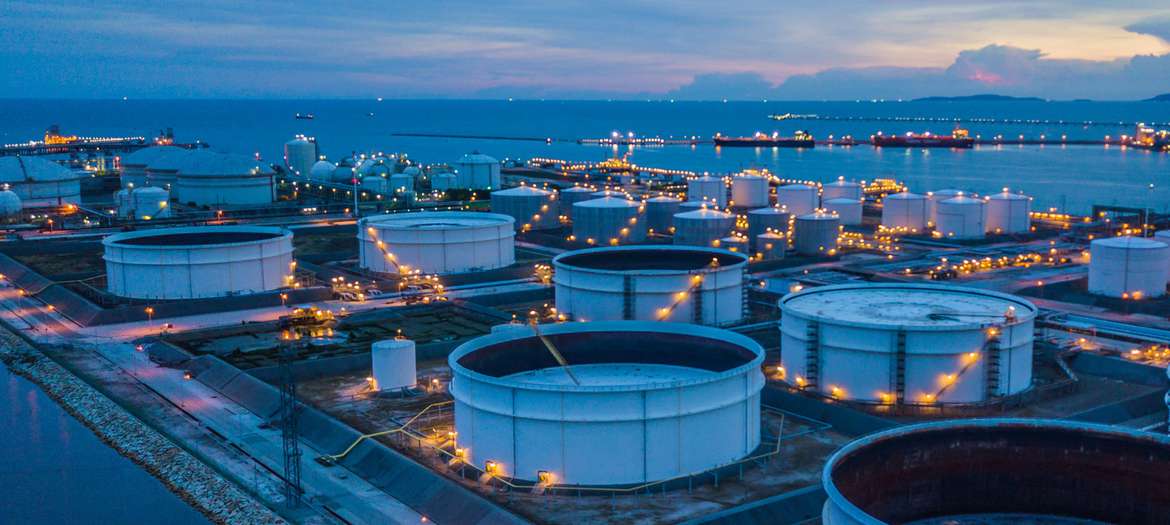
Tank settling by filling with crude oil. The increasing weight ensures that the double-walled tank sinks deeper into the ground. At the same time, the increase in volume causes the inner wall of the tank to bulge outwards.
Compensation of positional changes of the oil tanks under adverse conditions such as low temperatures, immediate proximity to the sea and explosive environment.
Customised metal expansion joints made of carbon steel with double bellows from EagleBurgmann
A crude oil storage tank has a lifetime of approximately 15 to 20 years during which it is constantly filled to different levels or emptied. A completely filled tank can hold up to 630,000 barrels of crude oil. This enormous mass of crude oil causes the inner tank walls to bulge slightly and the entire tank unit to sink a little into the ground. The higher the filling level, the higher the bulging of the side walls and the more the tank settles into the ground. “This is normal, and therefore the pipe connections must be designed flexible enough to accommodate these movements” according to Jesper R. Dam, Technical Manager at EagleBurgmann.
A leading provider for crude oil logistics operates a terminal storage plant at the coast of the Baltic Sea. In recent years, one of its tank farms was extended by two newly constructed storage tanks with a capacity of 100,000 m3 each.
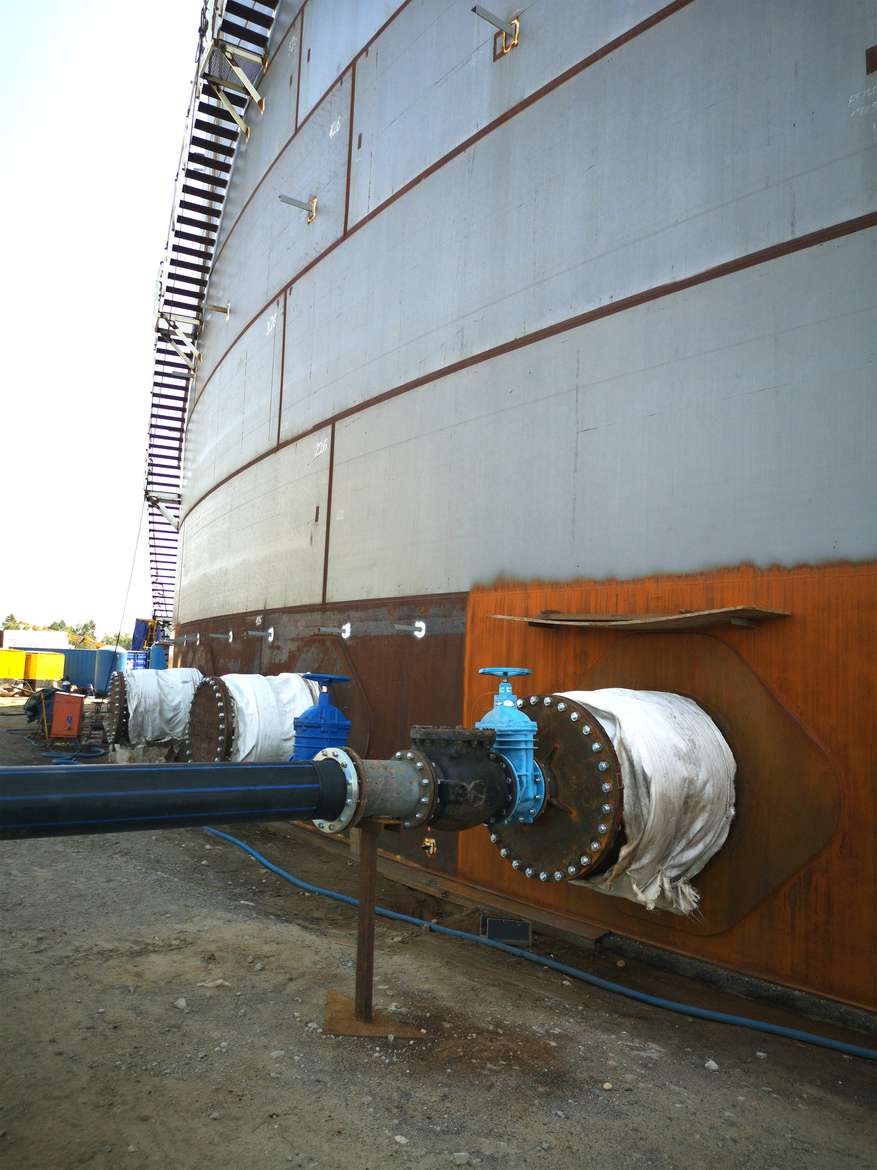
In the process of filling up storage tanks with crude oil, the added weight results in the double-walled tanks sinking into the ground, while the increase in volume leads to a bulging of the inner tank wall. Depending on the amount of oil, the pressure in a tank is between 6 and 16 barg. These effects are common with large volume tanks and are known as tank settling. Due to the difference between the initial and the settled state, a direct, rigid connection between pipeline and tank is not suitable. Expansion joints on the leakage and pressure lines are needed to compensate for the effects of tank movements resulting from different filling levels in terms of axial, lateral and angular movements, especially of the inner shell, and to ensure a sealed connection to prevent leakage.
In this case, components must also be able to withstand the location’s harsh climate conditions with the temperature dropping as low as -30 °C. Withstanding this temperature is a prerequisite for the material in this application. Common carbon steels are only suitable for temperatures of -20 °C or higher and are therefore inadequate for this application. Furthermore, due to the proximity to the sea, the materials must also be able to cope with high humidity and a high salt content in the air.
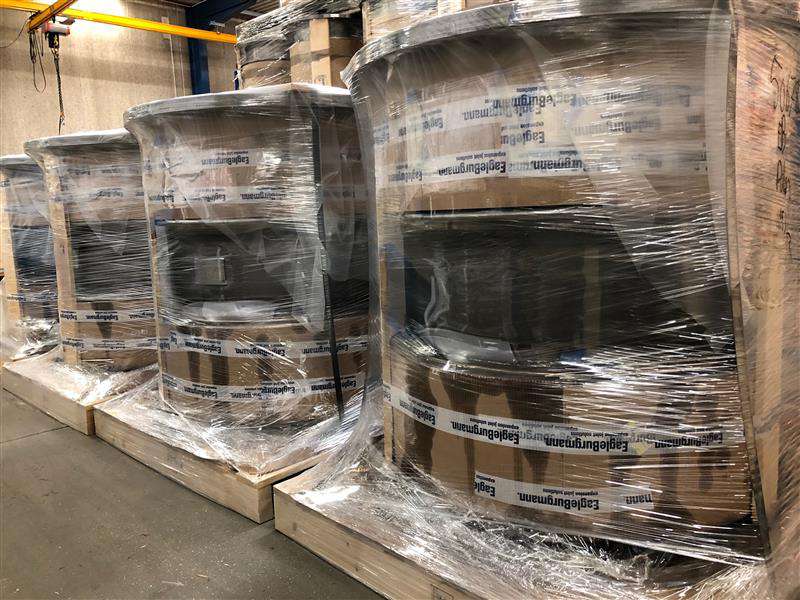
In this project, EagleBurgmann was awarded the manufacturing of 22 double bellows metal expansion joints to serve as connections between the pipelines as well as between the tanks and pipelines. Their sizes range from DN250 up to DN1200 depending on the pipeline and whether they are incorporated in the outer or inner wall.
The customized expansion joints are used on leakage as well as pressure lines. They consist of two multi-convolution and multi-layer bellows that are connected by a central pipe. This design allows for a large lateral offset to be absorbed. By tolerating the required motions, the expansion joints compensate changes in the tank’s position.
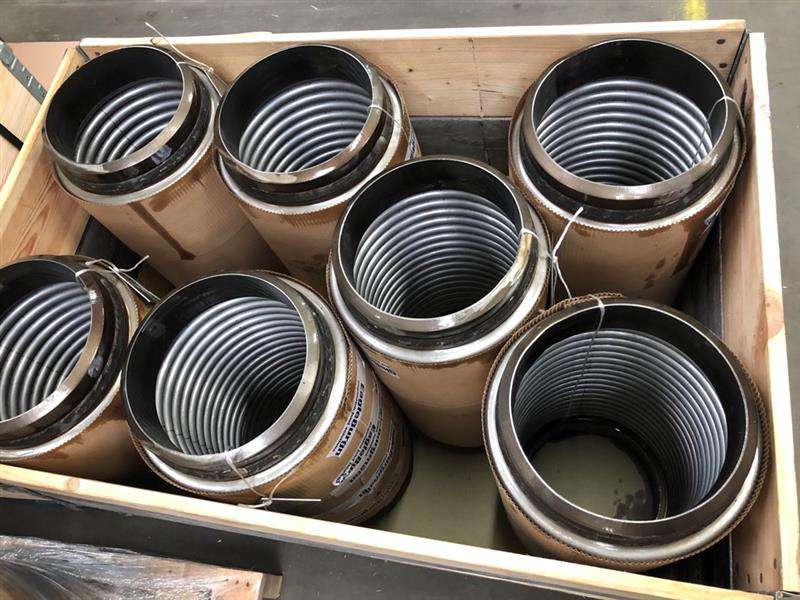
With regard to withstanding very low temperatures, P355NL1 carbon steel emerged as the ideal solution. The pressure vessel steel is characterized by high impact toughness even in very cold conditions. Additional impact tests provided evidence that the material meets the requirements at -30 °C.
The expansion joints were designed in accordance with the norm EN 14917 and the pressure equipment directive (PED) of the European Union. The expansion joints between the inner and the outer tank wall comply with PED category III due to the increased explosion risk in this area.
EagleBurgmann is a proven, reliable supplier of this customer with a successful track record in previous projects for which they supplied expansion joints, mechanical seals as well as packings and gaskets.
While the overall construction of the storage tanks took 2 to 3 years, the fabrication of the metal expansion joints by EagleBurgmann was finished within a short time. This included product engineering and design, manufacturing as well as testing and documentation. As required by the norm, hydrostatic pressure tests, dye penetrant tests and visual tests were conducted. Additionally, hydrostatic pressure tests were carried out on-site after the expansion joints were installed.
The material used keeps its ability to contain the high internal pressure even at low outside temperatures. No maintenance is required, eliminating the need for shutdowns due to expansion joint inspections. The expansion joints are designed to be operational as long as the storage tanks are in service.
Operating conditions
• Media: crude oil
• Temperature: -30 °C … 50 °C
• Movements: axial, lateral, angular
Things get hot in rotary kilns, very hot in fact. In the production of cement, for example, the thermometer measures more than 1,000 degrees Celsius. Sealing systems from EagleBurgmann, a company of the Freudenberg Group and EKK, make sustainable contributions to environmental protection, energy efficiency and process reliability under these "fiery" high-temperature conditions.
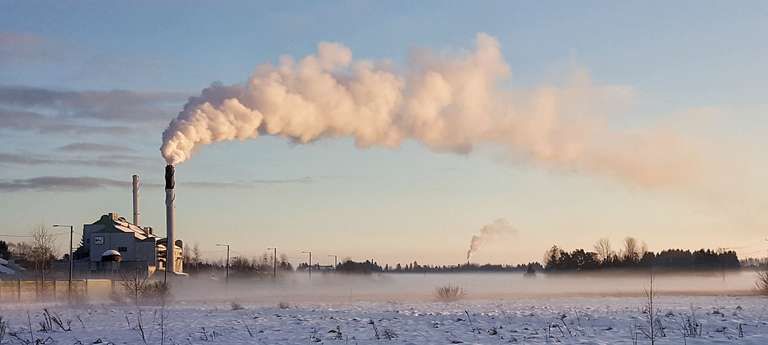
A boiler circulation pump in a power plant conveys very hot and pressurized water. The pump has no cooling jacket, which increases the risk of a thermosiphon effect.

Pharmaceutical manufacturers like the Bayer AG rely on mechanical seals in their manufacturing plants.

When the process medium in the production of metformin may not be contaminated with sealing medium under any circumstances, gas-lubricated seals for agitator shafts are the first choice. The Norwegian company Vistin Pharma took a daring step away from oil-lubricated to nitrogen overlayed seals.
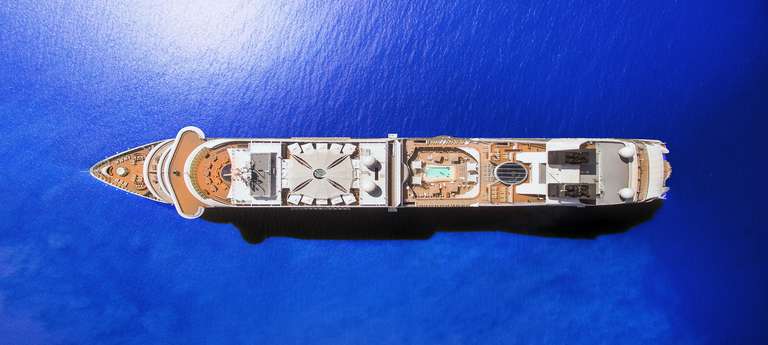
EagleBurgmann supports shipbuilders, shipping companies and conversion companies globally with metal expansion joints for the flexible attachment of the systems.

Sealing the agitator shaft of a mobile vessel is a very special task when dealing with a process in vaccine production. Liquid lubricated seals offer the best conditions for this application. However, the operation of dry contacting seals is more convenient and just as reliable as it is safe.